

Rubber Coated Magnet Design and Applications

What Are Rubber Coated Magnets?
Rubber coated magnets are magnetic assemblies completely encapsulated in a layer of rubber or rubber-like material. The typical construction includes:

- Magnet: Usually neodymium (NdFeB) for maximum holding force, though ferrite is available for cost-sensitive applications
- Metal base plate (if needed): Provides structural support and optimizes the magnetic circuit
- Rubber/TPE coating: A protective outer layer that fully encapsulates the assembly, providing high friction and surface protection
Key Advantages of Rubber Coated Magnets
The table below summarizes the core advantages of rubber coated magnets and their practical value:
| Advantage | Description | Key Value |
|---|---|---|
| Surface Protection | Soft rubber coating prevents scratches, marring, and discoloration on sensitive surfaces like painted automotive bodies or polished stainless steel | Essential where surface appearance matters |
| Corrosion Resistance | The rubber material itself resists moisture, salt spray, and chemicals, protecting the internal magnet | Suitable for wet environments, marine applications, and outdoor use |
| High Friction / Non-Slip | Natural tackiness and high coefficient of friction prevent sliding on smooth surfaces | Maintains position under vibration or dynamic loads |
| Noise Dampening | Rubber cushion eliminates the sharp “clacking” sound of metal-to-metal contact | Ideal for quiet environments and frequent handling |
| Impact Resistance | Rubber coating cushions external shocks, reducing the risk of magnet breakage | Increases durability and safety |
| Temperature Range | Operates from -40°C up to 150°C+ depending on materials | Handles both cold storage and high-heat environments |
| Design Flexibility | Available in various shapes and colors to meet product requirements | Customization without compromising magnetic performance |
Common Magnetic Materials:
Rubber coated magnets can use different core magnetic materials. The table below compares five common types:
| Material Type | Magnetic Strength | Temperature Resistance | Advantages | Limitations | Typical Applications |
|---|---|---|---|---|---|
| Neodymium (NdFeB) | Strongest (N35-N52) | 80-200°C (grade dependent) | Highest energy product, maximum holding force in small package | Susceptible to corrosion, temperature sensitive, brittle | High-performance motors, sensors, robotics, precision holding |
| Samarium Cobalt (SmCo) | Strong | 250-350°C | Excellent thermal stability, good corrosion resistance, low temp coefficient | Expensive, brittle | Aerospace, military, high-temp environments, medical |
| Alnico (AlNiCo) | Moderate | Up to 500°C | Excellent temperature stability, good corrosion resistance | Low coercivity, easily demagnetized | Sensors, instruments, automotive ignitions, odometers |
| Ferrite (Ceramic) | Moderate-Low | Up to 250°C | Low cost, excellent corrosion resistance, high coercivity | Low energy product, bulky | Automotive motors, speakers, holding assemblies, toys, light loads |
| Flexible Rubber Magnets | Weak | Binder dependent | Flexible, can be cut and shaped, easy to process | Weakest magnetic performance | Crafts, signage, magnetic calendars, fridge magnets |
Core Material Selection Guide:
- Need maximum holding force? → Go with neodymium (N52 grade offers the highest strength)
- High-temperature environment (>200°C)? → Choose samarium cobalt or alnico
- Cost-sensitive and wet environment? → Ferrite is your best bet
- Need flexibility? → Go with flexible rubber magnets
Manufacturing Processes: Compression vs. Injection Molding
Rubber coated magnets are made using two primary processes: compression molding and injection molding. Each has its own strengths and trade-offs.
Process 1: Compression Molding
Compression molding is the traditional rubber manufacturing process, using heat and pressure to vulcanize the rubber.

Process Flow:
- Place the magnetic material (e.g., ferrite or neodymium magnet) and rubber (e.g., EPDM, FKM) into the mold
- Apply high temperature and pressure to vulcanize the rubber, bonding it to the magnet surface
- Magnetize the final assembly
Typical Materials:
Advantages:
- Lower upfront tooling cost, good for prototyping and small-to-medium production runs
- Wide range of rubber materials available
Limitations:
- Requires vulcanization, longer cycle times
- Limited shape complexity
Process 2: Injection Molding

Injection molding uses thermoplastic vulcanizate (TPV) pellets that flow when heated, allowing them to be injected around the magnet.
Process Flow:
- Place the magnet core (neodymium or ferrite) into the injection mold
- TPV pellets are melted in a heated screw barrel
- Molten TPV is injected at high pressure, encapsulating the magnet
- Cooled part is ejected—no vulcanization needed
Advantages:
- Fast cycle times, high efficiency
- Can produce complex shapes and precise geometries
Limitations:
- Higher processing temperatures risk demagnetization if not controlled
- Higher equipment investment
- Requires TPV with good flow properties
Process Selection Guide
| Factor | Compression Molding | Injection Molding |
|---|---|---|
| Materials | Thermoset rubber (requires vulcanization) | Thermoplastic elastomers (TPV) |
| Cycle Time | Longer (vulcanization step) | Short (no vulcanization) |
| Shape Complexity | Moderate | High |
| Typical Volumes | Prototyping, small-to-medium runs | Medium-to-high volume production |
Industry Applications
Rubber coated magnets find use across many industries due to their unique combination of properties. The table below summarizes key application areas:
| Industry | Specific Applications | Key Advantages | Typical Products |
|---|---|---|---|
| Automotive | Assembly line fixturing, panel alignment, wire harness retention, accessory mounting | Protects paint, vibration-resistant, tool-free installation | M4 rubber coated magnets, rubber coated pot magnets |
| Retail & POS | Changeable displays, signage, banner mounting, modular shelving | Scratch-free clamping, easy installation, clean appearance | Display magnets, threaded rubber coated magnets |
| Industrial Automation | Robotic grippers, sensor mounts, temporary fixturing, tool holders | Precise positioning, impact resistance, non-marring holding | N50/N52 rubber coated magnets, double-sided rubber magnets |
| Medical Imaging | MRI accessory mounting, sensor holders, door seals, accessory fixation | Electrical insulation, corrosion resistance, controlled magnetic field | MRI-compatible rubber coated magnets |
| Consumer Electronics | Enclosure fastening, accessory mounting, stands | Surface protection, clean appearance | Colored TPE-coated magnets |
| Construction & Signage | Temporary sign mounting, template positioning, display boards | Non-damaging installation, reusable | Rectangular rubber coated magnets |
| Marine & Outdoor | Equipment mounting, outdoor signage, weather-resistant fixtures | Salt spray resistance, UV stability | EPDM-coated magnets (UV resistant) |
| Safety & Lighting | Temporary lighting, safety sign installation | Quick installation, no drilling required | Threaded rubber coated magnets |
How to Select the Right Rubber Coated Magnets
Key Selection Factors
| Factor | Considerations | Selection Guide |
|---|---|---|
| Holding Force | Required pull force (kg or Newtons) | Add 2x safety factor after determining load |
| Magnet Material | Neodymium, ferrite, samarium cobalt, etc. | Choose based on force, cost, and temp requirements (see material table) |
| Coating Material | TPV, Santoprene®, EPDM, nitrile, etc. | EPDM for outdoor/UV; nitrile for oil/chemical resistance |
| Coating Thickness | 0.1-0.5mm typical | Thicker coating = better protection but lower holding force—trade-off required |
| Operating Temperature | Maximum ambient temperature | Standard NdFeB ≤80°C, SH/UH grades up to 150°C+ |
| Mounting Method | Male thread, female thread, countersunk, double-sided | Choose based on assembly space and fixation method |
| Surface Type | Painted, polished, thin sheet metal | Multi-pole design for thin surfaces |
| Environment | Indoor/outdoor, humidity, chemical exposure | Harsh environments need specialized coating materials |
Rubber coated magnets aren’t just off-the-shelf fasteners. They’re engineered solutions that combine material science, magnetic circuit design, and precision manufacturing. Every detail—from the core magnet selection (neodymium, samarium cobalt, or ferrite?) to the coating process (compression vs. injection molding? TPV, EPDM, or nitrile?)—directly impacts how the product performs in your specific application.
At OBT, we’ve spent years on both rubber materials and magnetic technology. We don’t just sell standard products—we work with you to:
- Discuss: Based on your specific load, temperature, and surface requirements, we’ll recommend the optimal magnet and coating combination.
- Customize: From thread configurations to color matching, from special shapes to multi-pole magnetization, we turn your design into a reliable product.
- Optimize: We leverage our deep experience in molding processes to balance magnetic performance, production cost, and long-term durability.
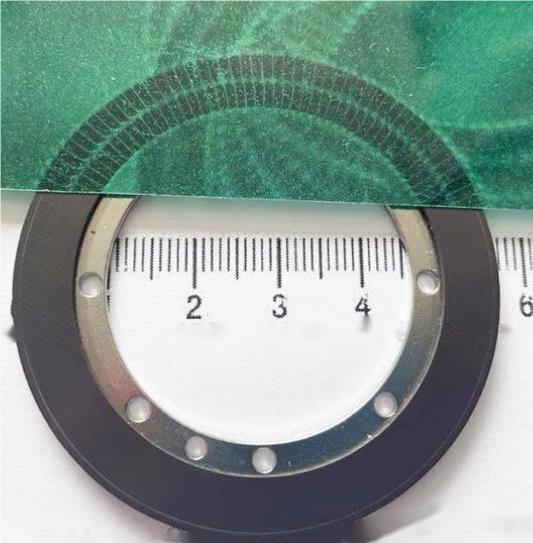
 Rubber Coated Magnet with Mounting Holes |  Rubber Coated Magnet with Screw |  Rubber Coated Magnets Mutiploe |
 Magnetic Rubber Wheel |  Rectangular Rubber Coated Magnet |  Multi-pole Rubber Magnetic Ring |
Whether you’re prototyping a new design or scaling up for volume production, we’re here as your technical partner. Please contact with us for your specific requirement!
FAQ
It depends on both the magnet material and the rubber material:
Ferrite: Up to 250°C
Rubber coating: TPV: 60-100°C; FKM rubber : up to 220°C
Yes, but choose your coating carefully. For outdoor use:
EPDM coating: Excellent UV and weather resistance
Yes. Various colors including black (standard), white, blue, yellow, green could be used.
With the right choose of magnet and rubber material, they could work for years.


