


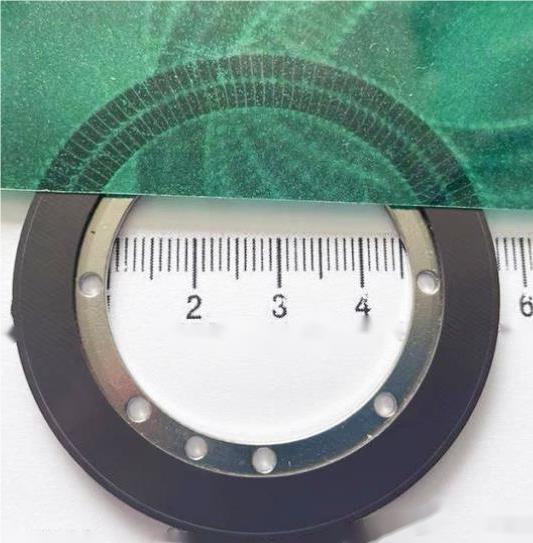
EPDM rubber seals are known for their resistance to low temperature performance down to -50°C, ozone, weathering, and chemicals, making them ideal for braking, HVAC and cooling systems.
With excellent elasticity and low compression set, EPDM seals maintain long-term sealing integrity under high pressures, even with frequent thermal cycling or mechanical vibrations in piping connections.
Compliant with NSF/ANSI 61 and WRAS standards, EPDM rubber seals ensure safe, non-toxic performance in potable water systems.

1) EPDM Rubber Material Parameters
EPDM (Ethylene Propylene Diene Monomer) rubber is a highly versatile synthetic rubber known for its excellent resistance to weathering, ozone, and UV radiation. Here are the key material parameters of EPDM rubber:
| Parameter | Value |
|---|---|
| Density | 0.86 – 0.90 g/cm³ |
| Hardness | 40 – 90 Shore A |
| Tensile Strength | 7 – 21 MPa |
| Elongation | 300% – 600% |
| Temperature Range | -60°C to +150°C (with peaks up to +180°C) |
| Compression Set | Excellent |
| Water Resistance | Excellent |
| Electrical Insulation | Excellent |
2) EPDM Rubber Advantages
EPDM rubber seals offer several advantages, making them suitable for a wide range of applications:
- Low Temperature Performance: EPDM rubber retains its flexibility and elasticity even at temperatures as low as -60°C, making it ideal for outdoor applications and environments with significant temperature fluctuations. OBT developed low temperature EPDM material which could work long term in -60°C environments.
- Electrical Insulation Properties: EPDM rubber is an excellent electrical insulator, providing reliable performance in electrical and electronic applications. This property makes it suitable for use in cable jacketing and insulation.
- Weather Resistance: EPDM rubber exhibits outstanding resistance to ozone, UV radiation, and weathering, ensuring long-term durability in outdoor and exposed applications.
- Flexibility and Elasticity: EPDM rubber maintains its flexibility and elasticity over a wide temperature range, ensuring effective sealing and shock absorption.
The disadvantage of EPDM material is that it cannot withstand organic solvents containing hydrocarbons.
3) Typical Application of EPDM Rubber Seal
EPDM rubber seals are widely used across various industries due to their robust properties. The following chart outlines some typical applications:
| Application | Description |
|---|---|
| Automotive EPDM rubber seals | O-ring for coolant system,dust cover, door seals, rubber plug, EPDM gasket. |
| HVAC Systems | Seals and gaskets in heating, ventilation, and air conditioning systems to ensure airtight connections.O rings for HAVC pipe/line. |
| Electrical Insulation | Cable jacketing, gaskets, and insulating components in electrical and electronic devices. |
| Roofing and Construction | Waterproof seals, expansion joints, and gaskets in roofing systems and building construction. |
| Industrial Seals | Gaskets, O-rings, and seals in various industrial applications, including chemical processing and water treatment. |
| Marine Applications | Seals for hatches, portholes, and marine equipment exposed to harsh weather conditions. |
| Appliance Seals | Gaskets and seals in household appliances like washing machines and dishwashers. |
Reference Reading:
How to measure the hardness: shore A,B,C,D?
How to measure the density of rubber material?
How to Evaluate the Resistance of Rubber to Oils and Other Solvents?
How to Evaluate the Low-Temperature Performance of Rubber?
How to Evaluate the Resistance of Rubber to Oils and Other Solvents?
How to choose between HNBR and AEM?
How to choose between HNBR and FKM(Viton) for O-Ring/gasket?
How choose Between FKM vs FVMQ?
When to use HNBR and Low Temperature HNBR(LT HNBR)?
Low Temperature FKM Rubber: Ideal for Automotive, Aerospace, and Chemical Processing


