


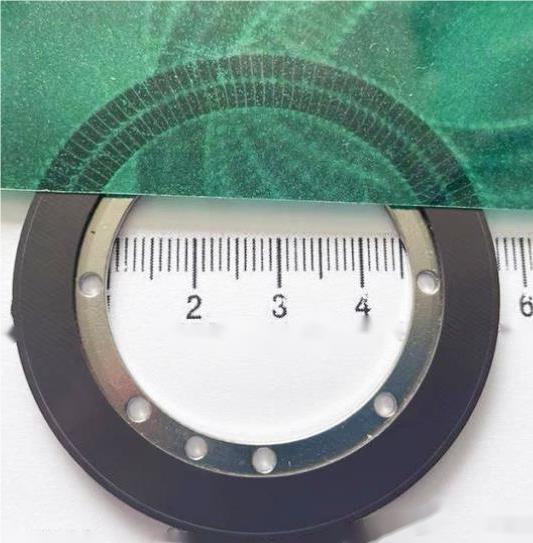
Rubber X-rings (also known as Quad rings) and Y-rings are specialized sealing solutions designed to offer superior performance in various demanding applications.

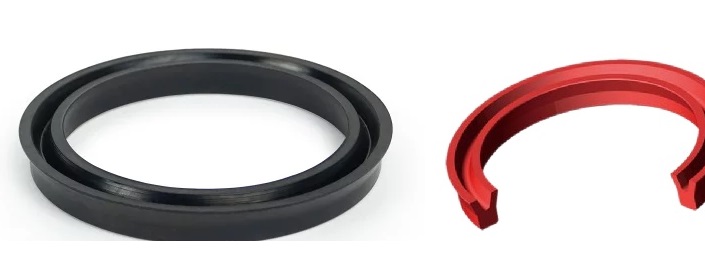
Applications of X-Rings/Y-Rings
- Dynamic Sealing Applications:
- Hydraulic Systems: X-rings and Y-rings are commonly used in hydraulic systems where dynamic sealing is required. Their unique cross-section provides multiple sealing surfaces, reducing friction and wear.
- Pneumatic Systems: In pneumatic cylinders and valves, these rings offer excellent sealing capabilities, enhancing the efficiency and reliability of the system.
- Rotary Applications:
- Rotary Shafts: X-rings are particularly effective in sealing rotary shafts due to their ability to maintain a tight seal under rotational motion. They minimize leakage and reduce wear compared to standard O-rings.
- Rotating Equipment: In pumps, motors, and other rotating equipment, X-rings and Y-rings ensure reliable sealing, preventing fluid or gas leakage and extending the equipment’s service life.
- Static Sealing Applications:
- Flange Seals: In static applications such as flange seals, X-rings provide a robust seal that can withstand high pressure and temperature variations, ensuring no leakage occurs.
- Cap and Plug Seals: Y-rings are effective in sealing caps and plugs, providing a reliable barrier against contaminants and leaks in static applications.
- Automotive Industry:
- Engine Components: X-rings and Y-rings are used in various engine components, including fuel injectors, transmission systems and cooling systems, due to their superior sealing capabilities and durability.
- Braking Systems: In brake systems, these rings help maintain the integrity of the hydraulic seals, ensuring efficient braking performance and safety.
Material Selection for X-Rings/Y-Rings
Choosing the right material for X-rings and Y-rings is crucial to ensure their performance and longevity in specific applications. Here are some commonly used materials and their properties:
- Fluorocarbon Rubber (FKM/Viton):
- Properties: Excellent chemical resistance, high-temperature stability, and low compression set.
- Applications: Suitable for high-temperature applications, chemical processing, and environments with aggressive media.
- Ethylene Propylene Diene Monomer (EPDM):
- Properties: Excellent resistance to weathering, ozone, and water. Good temperature range.
- Applications: Commonly used in automotive cooling systems, brake systems, and outdoor applications.
- Hydrogenated Nitrile Rubber (HNBR):
- Properties: Improved resistance to heat, oil, and chemicals compared to standard NBR. Enhanced mechanical properties.
- Applications: Suitable for automotive, industrial, and oilfield applications where higher performance is needed.
Please contact us to select the right X-rings and Y-rings for your needs.
Reference Reading:
How to measure the hardness: shore A,B,C,D?
How to measure the density of rubber material?
How to Evaluate the Resistance of Rubber to Oils and Other Solvents?
How to Evaluate the Low-Temperature Performance of Rubber?
How to Evaluate the Resistance of Rubber to Oils and Other Solvents?
How to choose between HNBR and AEM?
How to choose between HNBR and FKM(Viton) for O-Ring/gasket?
How choose Between FKM vs FVMQ?
When to use HNBR and Low Temperature HNBR(LT HNBR)?
Low Temperature FKM Rubber: Ideal for Automotive, Aerospace, and Chemical Processing


