


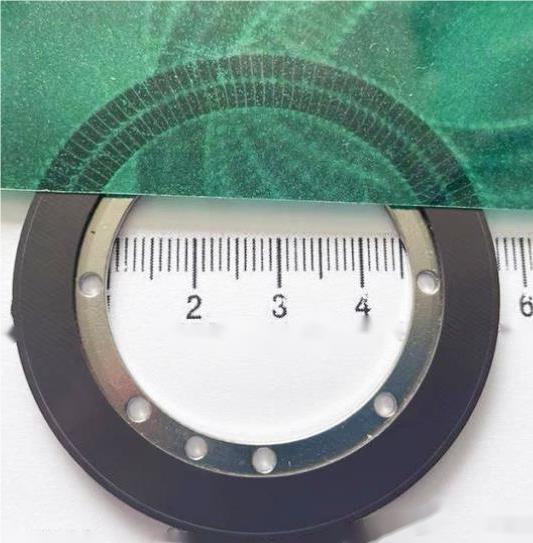
Silicone O-rings are precision-engineered sealing solutions because of their exceptional thermal stability, biocompatible, and flexibility.
Property of Silicone Rubber
Basic material property of silicone rubber:
| Property | Typical Range |
| Hardness (Shore A) | 20–90 Shore A |
| Tensile Strength | 5–12 MPa |
| Elongation at Break | 100–800% |
| Temperature Range | -60°C to +230°C (short-term up to +300°C) |
| Tear Strength | 10–50 kN/m |
| Compression Set | <25% (24 hrs at 150°C) |
| Chemical Resistance | resistance to water, ozone, UV. |
High-Temperature Resistance: Used in engines, turbochargers, and exhaust systems due to their ability to withstand temperatures from -60°C to +230°C.
Biocompatible: Comply with USP Class VI and FDA standards for use in syringes, pumps, and sterilization equipment.
Chemical Resistance: Withstand cleaning agents like hydrogen peroxide.
Non-Toxic and Odorless:
Silicone rubber’s backbone consists of Si-O-Si bonds, free from plasticizers, heavy metals (e.g., lead, cadmium), or migratory small molecules. It does not release harmful substances during prolonged contact with food or the human body.
Anti-Adhesion and Easy Cleaning:
Its strong hydrophobicity minimizes adhesion of proteins, oils, or bacteria. It withstands high-temperature washing or steam sterilization (e.g., 121°C autoclaving), making it ideal for reusable medical devices like feeding bottles and surgical tools.
Applications of Silicone O-Rings
- Automotive Systems
- Medical and Pharmaceutical Equipment
- Electronics
Silicone O-Ring Lubricants
Lubricants can imporve the seal performance and easier assembly.Here is a some common lubricants can be used for silicone o-rings.
- Silicone-Based Greases
Compatibility: Ideal for high-temperature applications.
Function: Reduce friction and prevent seal abrasion.
- PTFE (Teflon) Sprays
Advantages: Dry lubrication for clean environments (e.g., medical devices).
- Food-Grade Lubricants
Certifications: NSF H1-approved for food processing equipment.
Different Color Avaiable For Silicone O-Rings
- Transparent/Clear
- White
- Black
- Red
- Blue
- Green
- Yellow
Compared to other rubber materials, silicone rubber is indeed one of the few elastic materials that can be made into high transparency or semi transparent colors.
Here we have listed the performance comparison between silicone rubber and other transparent materials such as TPU and PVC.
Transparent Silicone Rubber vs. Other Transparent Elastomers
| Material | Light Transmittance | Temperature Resistance | Elasticity | Tensile Strength |
| Transparent Silicone Rubber | 85%~95% | -50℃~200℃ | High resilience | 5~8 MPa |
| TPU | 80%~90% | -30℃~80℃ | Moderate | 30~60 MPa |
| Transparent PVC | 70%~85% | -10℃~60℃ | Rigid | 10~25 MPa |
Thanks to contact us for more information or request a quote.
Reference Reading:
How to measure the hardness: shore A,B,C,D?
How to measure the density of rubber material?
How to Evaluate the Resistance of Rubber to Oils and Other Solvents?
How to Evaluate the Low-Temperature Performance of Rubber?
How to Evaluate the Resistance of Rubber to Oils and Other Solvents?
How to choose between HNBR and AEM?
How to choose between HNBR and FKM(Viton) for O-Ring/gasket?
How choose Between FKM vs FVMQ?
When to use HNBR and Low Temperature HNBR(LT HNBR)?
Low Temperature FKM Rubber: Ideal for Automotive, Aerospace, and Chemical Processing


