


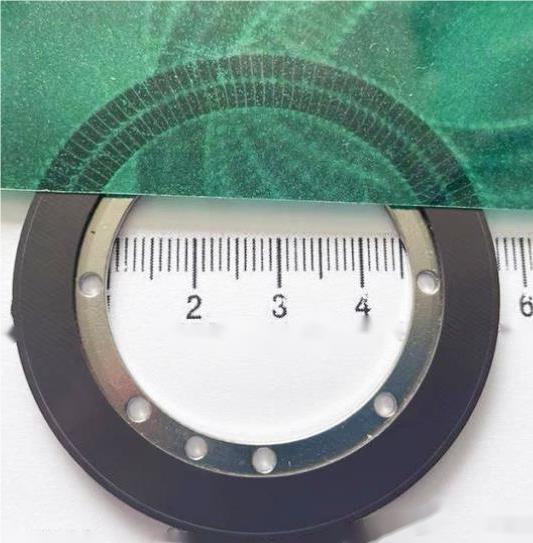
Filter Requirements for Rubber Seals
 |  |  |  |
A filter is designed to remove contaminants, particulate matter or impurities from liquids or gases.It is widely used in water treatment systems (e.g., household filters, industrial RO systems), air purifiers, automotive engines (oil/fuel filters), HVAC systems, pharmaceuticals, and food/beverage processing to garantee safety and high efficiency.
To maintain the integrity and performance of these filters, rubber seals play a important role. This article will introduce the different types of filters, their functions, and outline the technical requirements for rubber seals in these filters.
Additionally, a chart will be provided to detail the appropriate rubber materials for each filter type.
Types of Filters in Cars
- Air Filters:
- Function: Air filters prevent dirt, dust, and other airborne particles from entering the engine’s combustion chamber, ensuring that the air used in the combustion process is clean.
- Location: Typically located in the air intake system.
2. Oil Filters:
- Function: Oil filters remove contaminants from the engine oil, such as metal particles, carbon, and dirt, ensuring that the oil circulating through the engine remains clean and effective in lubricating engine parts.
- Location: Usually found near the engine block.
3.Fuel Filters:
- Function: Fuel filters prevent dirt, rust, and other particles from entering the fuel injection system, ensuring a clean fuel supply to the engine.
- Location: Typically located along the fuel line, either in the fuel tank or near the engine.
4. Cabin Air Filters:
- Function: Cabin air filters remove dust, pollen, and other airborne contaminants from the air entering the vehicle’s cabin, ensuring clean air for the occupants.
- Location: Usually located behind the glove box or near the HVAC system.
5.Transmission Filters:
- Function: Transmission filters remove contaminants from the transmission fluid, ensuring smooth operation of the transmission system.
- Location: Located within the transmission pan.
Appropriate Rubber Materials for Each Filter Type
| Filter Type | Function | Location | Appropriate Rubber Material | Reasons for Material Choice |
|---|---|---|---|---|
| Air Filters | Prevents dirt and dust from entering the engine | Air intake system | EPDM | Good resistance to weather, ozone, and heat |
| Oil Filters | Removes contaminants from engine oil | Near the engine block | FKM | Excellent oil resistance and good temperature stability |
| Fuel Filters | Prevents particles from entering the fuel injection system | Along the fuel line | FKM | High chemical resistance and high temperature tolerance |
| Cabin Air Filters | Removes contaminants from air entering the vehicle’s cabin | Behind the glove box or HVAC | EPDM | Good resistance to ozone and weather conditions |
| Transmission Filters | Removes contaminants from transmission fluid | Within the transmission pan | AEM/ACM | Excellent resistance to oils and good mechanical properties |
Thanks to contact us for more information or request a quote.
Reference Reading:
How to measure the hardness: shore A,B,C,D?
How to measure the density of rubber material?
How to Evaluate the Resistance of Rubber to Oils and Other Solvents?
How to Evaluate the Low-Temperature Performance of Rubber?
How to Evaluate the Resistance of Rubber to Oils and Other Solvents?
How to choose between HNBR and AEM?
How to choose between HNBR and FKM(Viton) for O-Ring/gasket?
How choose Between FKM vs FVMQ?
When to use HNBR and Low Temperature HNBR(LT HNBR)?
Low Temperature FKM Rubber: Ideal for Automotive, Aerospace, and Chemical Processing

