


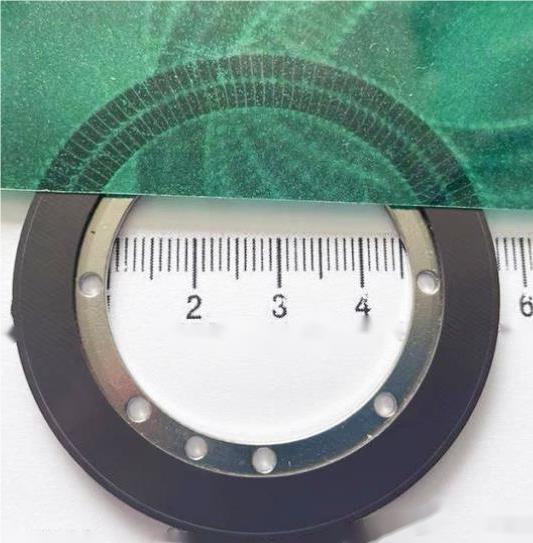
Back up rings are designed to prevent the extrusion of O-rings in high pressure working enviroment, which can lead to seal failure and leakage. By providing additional support to the O-ring, back up rings ensure reliable sealing performance under extreme conditions.
Back Up Ring Designs
Back up rings are typically designed to complement the O-ring’s shape and size. Common designs include:
 |
| Rectangular Cross-Section Static and low-dynamic applications |
 |
| Wedge-Shaped High-pressure or dynamic sealing |
 |
| Split Design Easy installation and removal |
Materials for Backup Rings
Back up rings are made from materials that offer high strength, low friction, and resistance to wear and deformation. Common materials include NBR,FKM,PTFE,PEEK. Here is the table showing the properties of different material:
| Material | Hardness (Shore A) | Working Temperature Range | Max Working Pressure | Working Environment |
| NBR | 90 Shore A | -40°C to +120°C | Up to 20 MPa | Oil, water, gases, hydraulic systems |
| FKM | 90 Shore A | -20°C to +250°C | Up to 30 MPa | High-temperature and hemical environments where exposure to oils, fuels, acids,solvents. |
| PTFE,PEEK | -50°C to +260°C | Up to 80 MPa | Ideal for harsh chemicals, high-temperature environments, and where low friction is needed (such as in food, pharmaceuticals, and chemical processing). |
Applications of Back up rings
| Industry | Common Applications | Typical Materials Used | Key Benefits |
| Hydraulic Systems | Cylinders, pumps, valves in heavy machinery | NBR,PU, FKM | Ensures high-pressure sealing in hydraulic circuits |
| Oil and Gas | Drilling equipment, pipelines, subsea systems, wellhead equipment | PTFE, FKM, HNBR | Withstands extreme temperature and pressure variations Resistant to aggressive chemicals and oil exposure |
| Industrial Machinery | Presses, compressors, hydraulic presses, molding machines | NBR, FKM, PTFE | Improves sealing performance and operational efficiency |
Assembly Illustration
The back up rings are often installed on the low-pressure side of the O-rings to counteract the direction of extrusion forces.


