


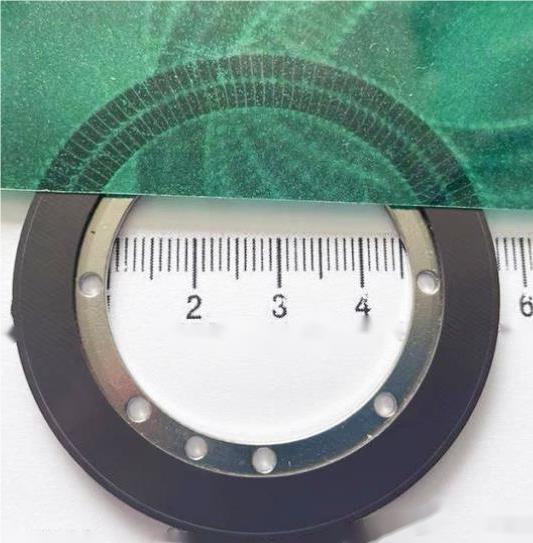
Adhesive Backed Rubber: Materials, Manufacturing, and Applications
Adhesive backed rubber are widely used in different applications for their convenience and versatile. Adhesive backed rubber is a versatile material widely used across industries for sealing, cushioning, vibration damping, and bonding applications.
Here’s an introduction to the materials, production process, and application scenarios of adhesive backed rubber products.
1. Materials: rubber and adhesive
Adhesive backed rubber consists of two primary components rubber material and adhesive.
1.1 Rubber Base Material: EPDM and Silicone rubber material is common used for adhesive backed rubber parts, besides that FKM or foamed rubber can also be chosen.
- EPDM (Ethylene Propylene Diene Monomer): Known for its excellent resistance to weathering, ozone, and temperature variations, EPDM is commonly used in outdoor environments.
- Silicone Rubber: With excellent heat resistance, flexibility, and electrical insulation properties, silicone is used in high-temperature and electrical applications.
1.2 Adhesive Layer: A pressure-sensitive adhesive (PSA) is laminated onto the rubber. Adhesives vary by formulation, such as acrylic, rubber-based, or silicone-based PSAs.
Selecting the correct adhesive is critical for durable bonds. Here’s a guide:
A. Bonding Rubber to Rubber
Recommended Adhesive Type: Use rubber-based PSAs or high-tack acrylics for flexibility and strong cohesion.
3M Product Example:
3M™ VHB™ Tape 4910: A foam tape with acrylic adhesive, ideal for EPDM or neoprene rubber bonding.
B. Bonding Rubber to Plastic
Key Considerations: Plastic surfaces (e.g., PVC, ABS) often have low surface energy. Choose acrylic adhesives with enhanced surface wettability.
3M Product Example:
3M™ Double-Sided Tape 9474LE: Designed for plastics, offering strong initial adhesion and temperature resistance.
C. Bonding Rubber to Metal
Key Considerations: Metals require adhesives with high shear strength and environmental resistance.
Recommended Adhesive Type: Acrylic or hybrid adhesives with corrosion inhibitors.
3M Product Example:
3M™ VHB™ Tape 5952: Combines high strength with vibration damping, perfect for rubber-to-metal bonds in automotive or aerospace.
Common used 3M™ 9448A Tape: Key Characteristics
| Property | Characteristics |
| Adhesive Type | Acrylic-based pressure-sensitive adhesive (PSA) |
| Carrier Material | Polyester film |
| Thickness | 0.13 mm (5 mil) |
| Temperature Resistance | -40°C to 120°C (-40°F to 248°F) |
| Peel Adhesion (to Steel) | 44 N/100 mm (10 lb/in) |
| Shear Strength | >10,000 minutes (1 kg load, 70°C) |
| UV Resistance | Excellent |
| Chemical Resistance | Resists moisture, solvents, and plasticizers |
| Applications | Bonding rubber, plastics, metals, and foams; gasketing, signage. |
| Key Benefits | – High initial tack for quick bonding – Excellent durability – Conforms to uneven surfaces – Resists environmental stressors |
2. Key Applications
Adhesive backed rubber is used in different application scenarios:
- Automotive Industry: Adhesive-backed rubber parts are used as vibration dampeners, seals, or gaskets in automotive applications. They can be applied in areas that require quick installation and easy removal, such as door panels, dashboards, and under-the-hood components.
- Electronics: These rubber parts can provide cushioning, insulation, or protection for electronic devices. They are often used in smartphones, computers, and other gadgets to reduce shock and vibrations.
- Industrial Machinery: Rubber parts with adhesive backing are used to reduce vibration and noise in machinery. They are applied to equipment housings, control panels, and motor mounts.
- Construction: In the construction industry, these rubber parts are used for sealing, gasketing, or vibration isolation in HVAC systems, window frames, and other structural components.
- Home Appliances: Adhesive rubber parts can be used in household appliances like refrigerators, washing machines, and air conditioners to reduce noise and prevent slipping.
- Furniture Protection: Rubber parts with adhesive backing are used under furniture legs to prevent scratching on floors and provide grip to prevent movement.
3. Manufacturing Processes
3.1 Regular shape adhesive backed rubber gasket: Die-Cutting can be used for rubber sheet with adhesive tape coated.

3.2 Apply adhesive tape to irregular-shaped rubber parts: Manual or Automated process has to be applied which will take more process time compare with die cutting.

3.2.1 Steps for Manual Application:
a. Surface Preparation:
Clean the rubber surface to remove dust, oil, or contaminants using isopropyl alcohol or a similar solvent.
Ensure the surface is dry before applying the tape.
b. Tape Cutting:
Cut the double-sided tape into strips or shapes that match the rubber part's contours.
c. Tape Application:
Fixture need to be used for fix the rubber part and the position of adhesive tape.
Carefully align the tape with the rubber surface and press it down gradually, starting from one edge to avoid air bubbles.
3.2.2 Steps for Automated Application:
a. Feeding System:
A roll-to-roll system to feed double-sided tape continuously.
Precision tension control to prevent tape stretching or tearing.
b. Cutting Mechanism:
Use a die-cutting module or round cutting machine to cut the tape into custom shapes matching the rubber part's geometry.Cutting tool ensures high accuracy.
c. Surface Preparation Module:
Integrate a cleaning station (solvent cleaning) to prepare the rubber surface for adhesion.
d. Tape Application Head:
A robotic arm with a vacuum suction pad or roller head to pick up and place the tape precisely onto the rubber part.
Vision systems (e.g., cameras or sensors) can ensure accurate alignment.
Please contact us, OBT Rubber Seal, for better understanding your technical requirement and our proposal for adhesive backed rubber parts.

