


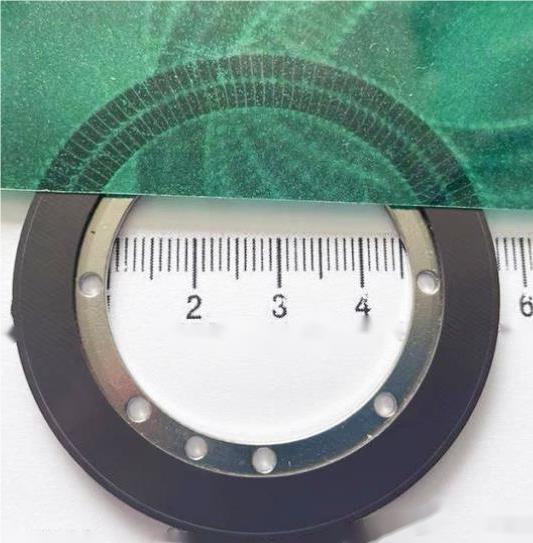

Rubber diaphragms are often used in regulating valves/diaphragm valves/pneumatic valves/solenoid valves in fuel, hydraulic and pneumatic systems. Their function is to regulate working pressure or control liquid and gas flow.
Application of Rubber diaphragms :
- Valves and Pumps: Pure rubber diaphragms are used to control flow in both manual and automated valves, pumps, and pressure regulators. Their flexibility allows for precise control in applications where maintaining a tight seal is essential.
- Automotive Systems: Pure rubber diaphragms are used in automotive carburetors, brake boosters, and fuel pumps. It is used to control air or fuel mixtures and maintain pressure stability.
- Industrial Equipment: In hydraulic and pneumatic equipment, pure rubber diaphragms control pressure and ensure leak-proof operation in aggressive environments.
- Water Treatment Systems: Rubber diaphragms are used in valves and pumps for water filtration and purification processes, ensuring accurate control over water pressure and flow.
Working Pressure:
- Pure rubber diaphragms are typically used in systems that operate under pressures ranging from 0.5 MPa to 5 MPa. However, the working pressure can vary based on the diaphragm’s material and thickness.
Diaphragms Materials:
Pure rubber diaphragms are manufactured from a range of materials, each selected for its specific resistance properties:
1) Nitrile Rubber (NBR): Offers good oil resistance and is commonly used in automotive and industrial applications.
2) EPDM (Ethylene Propylene Diene Monomer): Known for excellent resistance to heat, water, and steam, making it ideal for use in HVAC and water systems.
3) Silicone Rubber: Used in medical and food processing applications due to its high-temperature tolerance and food safety compliance.
4) FKM (Fluoroelastomer): Provides exceptional chemical resistance, particularly in environments exposed to fuels, oils, and aggressive chemicals.
5) FVMQ (Fluorosilicone): Combines the best properties of fluorocarbon elastomers and silicone rubber, offering excellent resistance to fuels, oils, and solvents while maintaining flexibility and performance at high temperatures.
Major Performance Characteristics:
- Abrasion Resistance: Rubber diaphragms, especially those made from NBR and FKM, exhibit high resistance to abrasion, making them suitable for dynamic applications where friction is involved.
- Fatigue Resistance: Pure rubber diaphragms are designed to endure continuous flexing and bending, offering excellent fatigue resistance. This is essential for ensuring long-term performance in systems with repetitive motion or pressure cycles, such as pumps and compressors.
- Chemical and Heat Resistance: Depending on the specific rubber compound, diaphragms can resist a wide range of chemicals and high temperatures. FVMQ, in particular, is known for its superior resistance to extreme temperatures and aggressive chemical environments, making it ideal for demanding applications.
We can offer customized various types of rubber diaphragms with thickness ≥0.2MM, please contact us!
Reference Reading:
How to measure the hardness: shore A,B,C,D?
How to measure the density of rubber material?
How to Evaluate the Resistance of Rubber to Oils and Other Solvents?
How to Evaluate the Low-Temperature Performance of Rubber?
How to Evaluate the Resistance of Rubber to Oils and Other Solvents?
How to choose between HNBR and AEM?
How to choose between HNBR and FKM(Viton) for O-Ring/gasket?
How choose Between FKM vs FVMQ?
When to use HNBR and Low Temperature HNBR(LT HNBR)?
Low Temperature FKM Rubber: Ideal for Automotive, Aerospace, and Chemical Processing

